info@inspect365.com.au

5 Reasons Older Apartment Blocks Need a Building Inspection


 1300 000 442
 From art deco to mid-century, Melbourne’s suburbs are full of older apartment blocks with an undeniable charm. However, despite their natural appeal and character, many of these apartments have an array of different issues, including problems that are hidden beneath or below the surface.
Without a professional building inspection, what starts as a dream purchase can quickly turn into a costly headache, and this is a situation no one wants to find themselves in. With all of this in mind, we’ll take a look at five key reasons why an inspection is always recommended for an older apartment block.
1. Decades of Degradation
Although newly constructed apartments aren’t immune to issues of their own, older blocks have faced the elements for decades and decades. Many years of wear and tear take a toll on any building, even if they’ve been well maintained.
The resulting issues that occur include deteriorated roofing and guttering, rusted metalwork, weakened concrete, crumbling render, shifting foundations, ageing plumbing, and outdated electrical systems. Even simple things like worn-out waterproofing membranes or neglected subfloor ventilation can lead to much bigger structural problems over time.
Older apartments were also built under very different construction standards than that of today, which means materials, insulation, drainage systems, and fire-safety measures may no longer meet current expectations.
A building inspection helps to uncover these age-related problems early, giving buyers a realistic understanding of what they’re stepping into before committing to a contract.
2. Mould and Moisture Related Damage
Moisture is one of the most common and costly issues found in older apartment complexes. Years of minor leaks, poorly sealed bathrooms, degraded balconies, and worn-out roofing can all contribute to mould growth and hidden water damage.
In many cases, moisture sits undetected behind walls, in ceilings, or under floors,slowly causing timber rot, masonry deterioration, and unhealthy living conditions. Older blocks may also have inadequate ventilation, which traps humidity and accelerates mould growth in kitchens, laundries, and bathrooms.
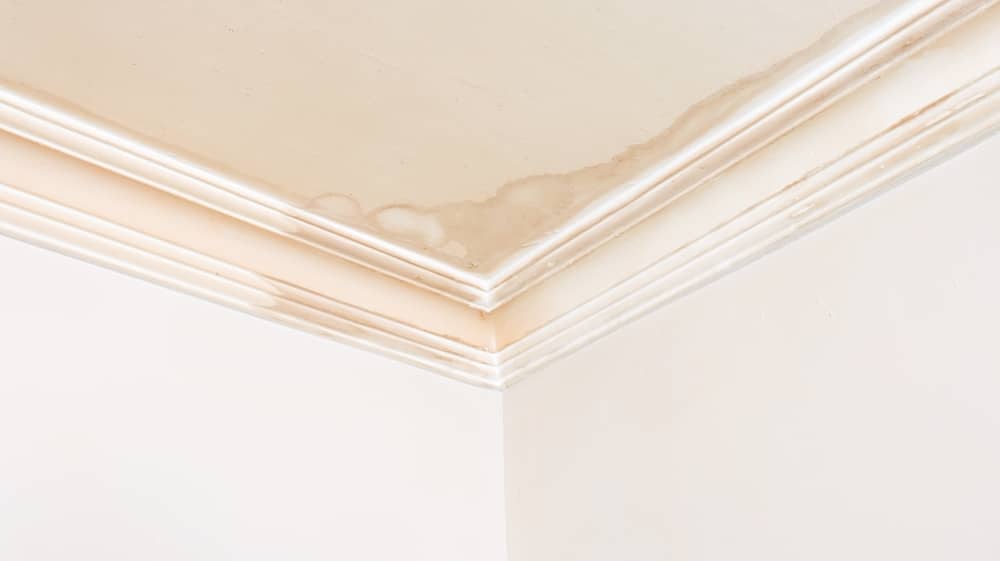
Because these signs aren’t always visible to the naked eye, buyers often miss them during a quick inspection or open for inspection walkthrough. A professional building inspection uses tools like moisture meters and thermal imaging to detect what most people can’t see, revealing leaks, damp patches, failed waterproofing, or early structural damage long before they become major repair bills.
3. Termite Activity and Infestations
Timber components in older apartments, such as subfloors, frames, beams, and internal wall structures, are at higher risk of termite damage simply because of their age. Even if a building has no known termite history, decades of small cracks, gaps, and worn materials provide easy access points for pests.
Termites are particularly problematic in apartment blocks because of the shared structure. An infestation in one unit or subfloor area can quickly spread to neighbouring units, internal common walls, and roof cavities, often without anyone noticing until significant damage has already occurred.
Older buildings also often have outdated or missing termite barriers, which makes regular inspections even more important. A building inspection can uncover signs of past or present termite activity, timber decay, insufficient protective systems, and conditions that attract pests. For buyers, this insight is essential, as termite damage can be costly to repair and may compromise the structural integrity of the entire building.
4. Roofing and Structural Issues
Older apartment blocks often hide problems with their roofs and structure that aren’t obvious at first glance. Roofs may be worn or leaking, gutters might fail, and walls or beams may have cracks or signs of movement. Even minor issues often point to bigger structural problems that could become expensive if ignored.
Renovations or surface fixes can sometimes hide these problems. A fresh coat of paint, new flooring, or updated fittings might make a place look ready to move in, but they don’t fix underlying cracks, water damage, or weakened supports. Without a professional inspection, these hidden issues may only become apparent when repairs are costly.
A building inspection identifies roofing and structural problems early, giving you a clear picture of the property’s condition and helping you make a confident, informed purchase.
5. Body Corporate Disputes and Delays
Sometimes, it's not that a building issue is unidentified or unrecognised, but rather that multiple owners in the complex are unable to come to an agreement on its resolution. As pointed out in a recent Architecture AU article, the very nature of the body corporate process “means that redesign projects are initiated and led by laypeople with limited expertise and few effective mechanisms to attain consensus. This can result in lengthy delays and frustrate entire projects, which presents a considerable risk.” (Source: Architecture AU)
These circumstances could relate to taking action on a sloping fence, organising a repaint of the building’s exterior, or fixing a broken security gate. Either way, issues that fundamentally affect the majority of residents can easily get bogged down and delayed.
What a Building Inspection Usually Involves
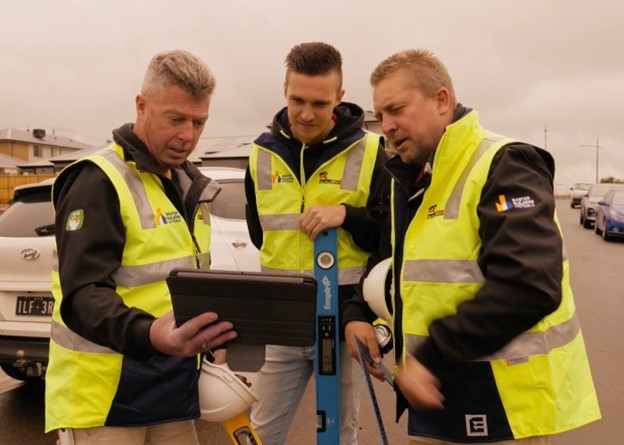
A building inspection gives you a clear picture of an apartment’s condition before you commit to buying. Every property is different, but when you choose Inspect 365, this is what we do:
- Initial Consultation: We confirm the property details with you, discuss any concerns you may have, and explain exactly what our inspection will cover.
- External Assessment: We examine the roof, gutters, walls, balconies, foundations, and common areas for signs of structural movement, deterioration, water pooling, or poor drainage. Please note, we can only carry out assessment of common property if engaged by the Body Corporate.
- Internal Room-by-Room Inspection: Inside the apartment, we review each room for cracks, dampness, mould, ventilation issues, uneven flooring, defective fixtures, and general maintenance concerns.
- Moisture and Mould Testing: Using moisture meters and other diagnostic tools, we identify leaks or hidden damp problems that are common in older buildings.
- Roof Void and Subfloor Review (Where Accessible): We inspect hidden areas where issues often start, including rot, leaks, poor ventilation, insulation gaps, or signs of pests.
- Photographic Documentation: We photograph and annotate all findings so you can clearly see what we’ve identified and why it matters.
- Quick and Clear Report Sent to You: We prepare a detailed, easy-to-read report and send it to you quickly, often within 24 hours. It includes all our findings, recommendations, and an explanation of the severity and urgency of any issues, giving you complete clarity before you buy.
About to Purchase an Older Apartment? Call Inspect 365
Don’t leave your decision to chance. As a part of our building inspection services in Melbourne, we provide a unique, personal and tailored experience to everyone from first home buyers to seasoned property investors and everything in between. Here’s a quick look at what we bring to the table:
- Reports delivered within 4 hours
- Over 25 years of building experience
- Fully qualified, insured, and registered inspectors
- Australian Standards AS4349.1-2007 compliant
- Over 10,000 inspections completed across Victoria
- No hidden fees or unnecessary upsells
We’re available citywide, so whether you need a building inspector in Cranbourne, Epping, or the CBD, Inspect 365 is the team to trust.
FAQs
1. I’m looking to arrange a building inspection for a Melbourne apartment. How long does the inspection typically take?
A typical combined building, timber and pest inspection will take between one to two hours. Usually we will require one hour of inspection and another hour to complete the report depending on how many defects were found and the general condition of the property.
2. After the inspection is completed, when will I receive the report?
You will receive your report within 4 hours from the completion of your inspection. Please note that payment must be received prior to the inspection, as we cannot complete the report before payment is received. If extra time is required you will be notified.
3. What equipment is used by the inspector?
Your inspector will carry a ladder, torch, Tramex ME5 moisture meter, FLIR C5 Thermal Imaging Camera to your inspection.
Please be aware that the moisture meter is only used when visual evidence of moisture is identified by your inspector. The same protocol is followed for the use of the Thermal Camera, which is also only required when visual evidence of pest activity is identified. Only images and readings of defects will generally be included in the report.
 Previous
Building Reports Available Online For All Australians.
Want to purchase a new home but unsure? Get a High quality 50+ Page building report with property summary of defects and structure within minutes!